By Kyle Ulmer · · 2 min read
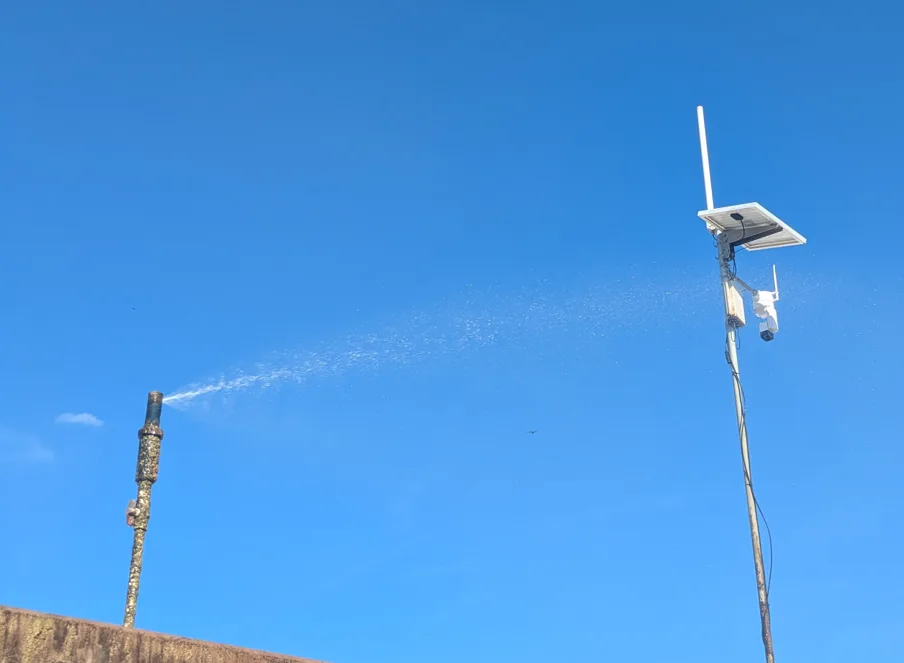
Most LiDAR hardware is built for controlled settings: survey crews, labs and indoor installations where someone looks after the equipment. Stockpiles, bins and yards are different. Sensors sit outside year-round in sun, rain, heat, dust and vibration, often far from a convenient power source. We designed our LiDAR sensor for that environment from the start.
Designed for outdoor deployment
We had three goals for the sensor: it had to be rugged, low power and inexpensive. Each goal comes from what outdoor sites demand.
Rugged
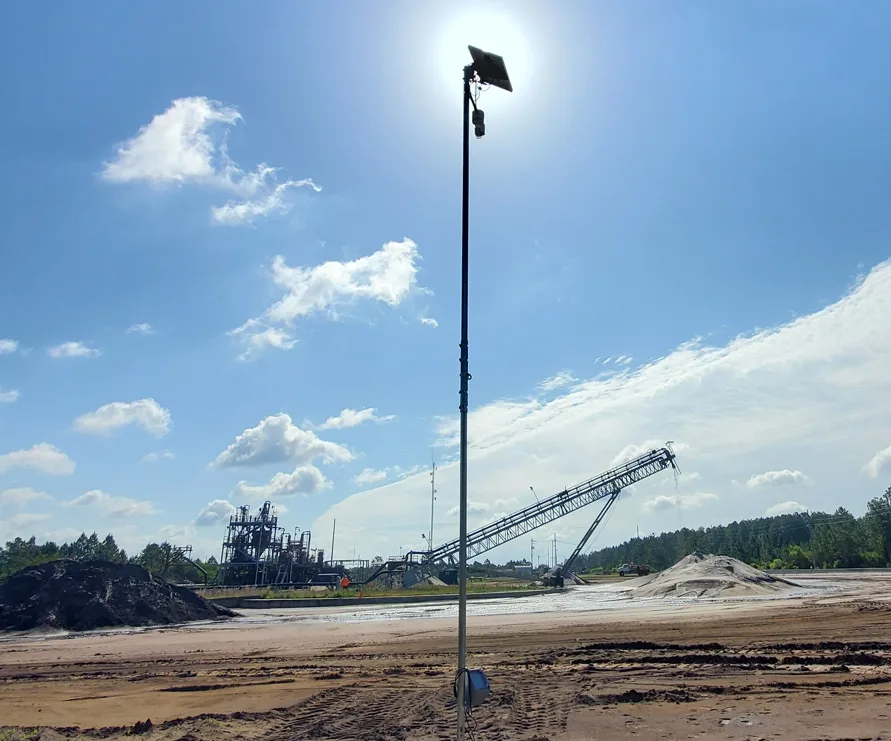
An outdoor sensor has to handle the weather and the jobsite without constant attention. We built ours to stay mounted and keep measuring through the conditions an industrial site throws at it, so your inventory data doesn't stop when the weather turns.
Low power
The best place to mount a sensor is rarely next to an outlet. A low-power design gives you more choices about where sensors go, and it makes remote and hard-to-reach locations practical to cover.
Inexpensive
Full coverage of a site often takes more than one sensor. When each unit costs less, you can put sensors where you need them and stop working around a budget that only covers a few.
How we keep costs down: we build it ourselves
Much of the cost of industrial hardware comes from outsourced manufacturing, tooling and layers of middlemen. We avoid much of that by doing the work ourselves.
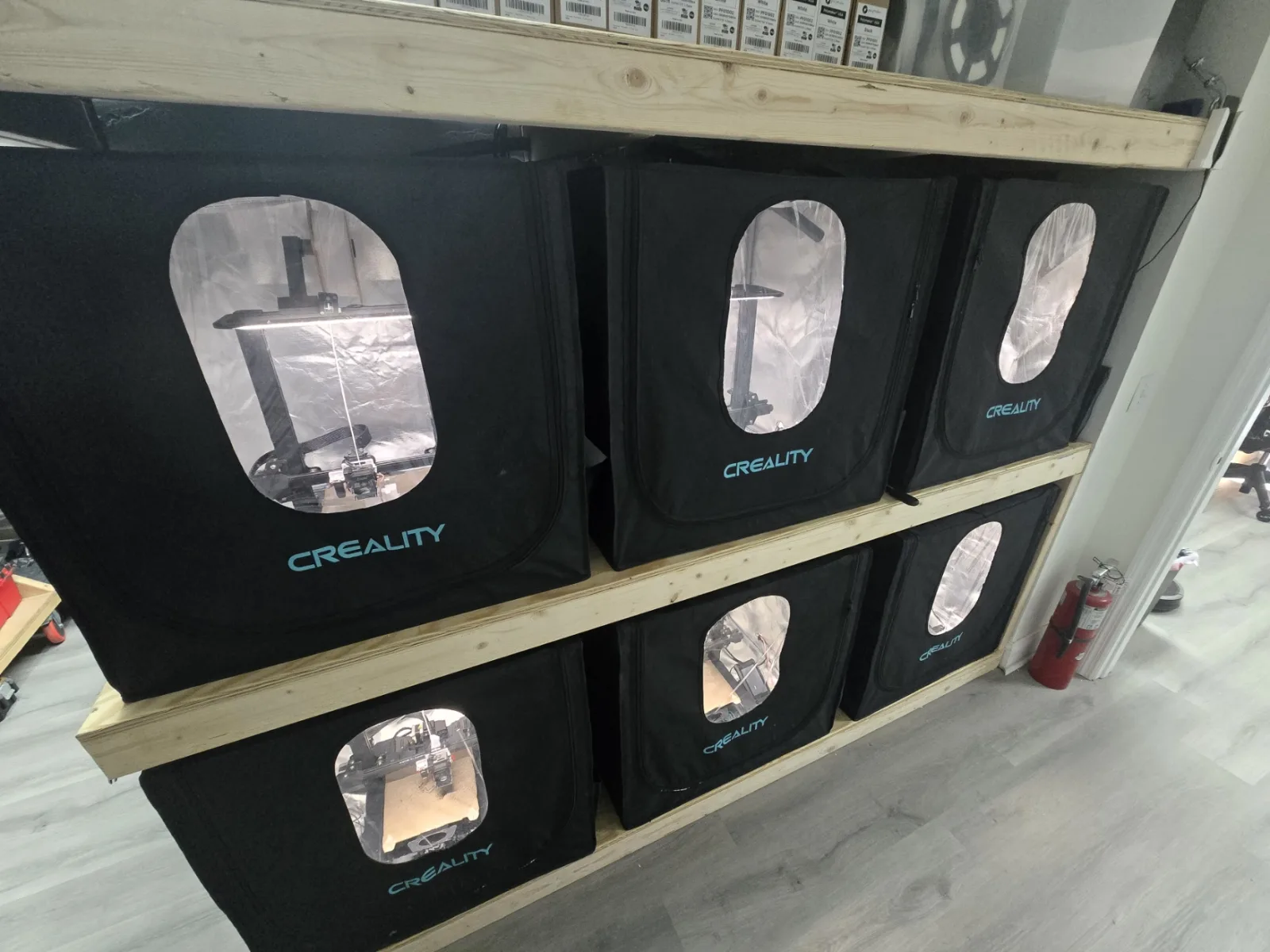
- In-house design and fabrication. We design many of the sensor's parts ourselves and make them in our own shop with 3D printing. That lets us iterate quickly, refine designs based on what we learn in the field, and produce parts without expensive tooling or minimum order quantities.
- Local assembly. We source the components we don't make and assemble every unit ourselves, here in Gainesville, Florida, USA.
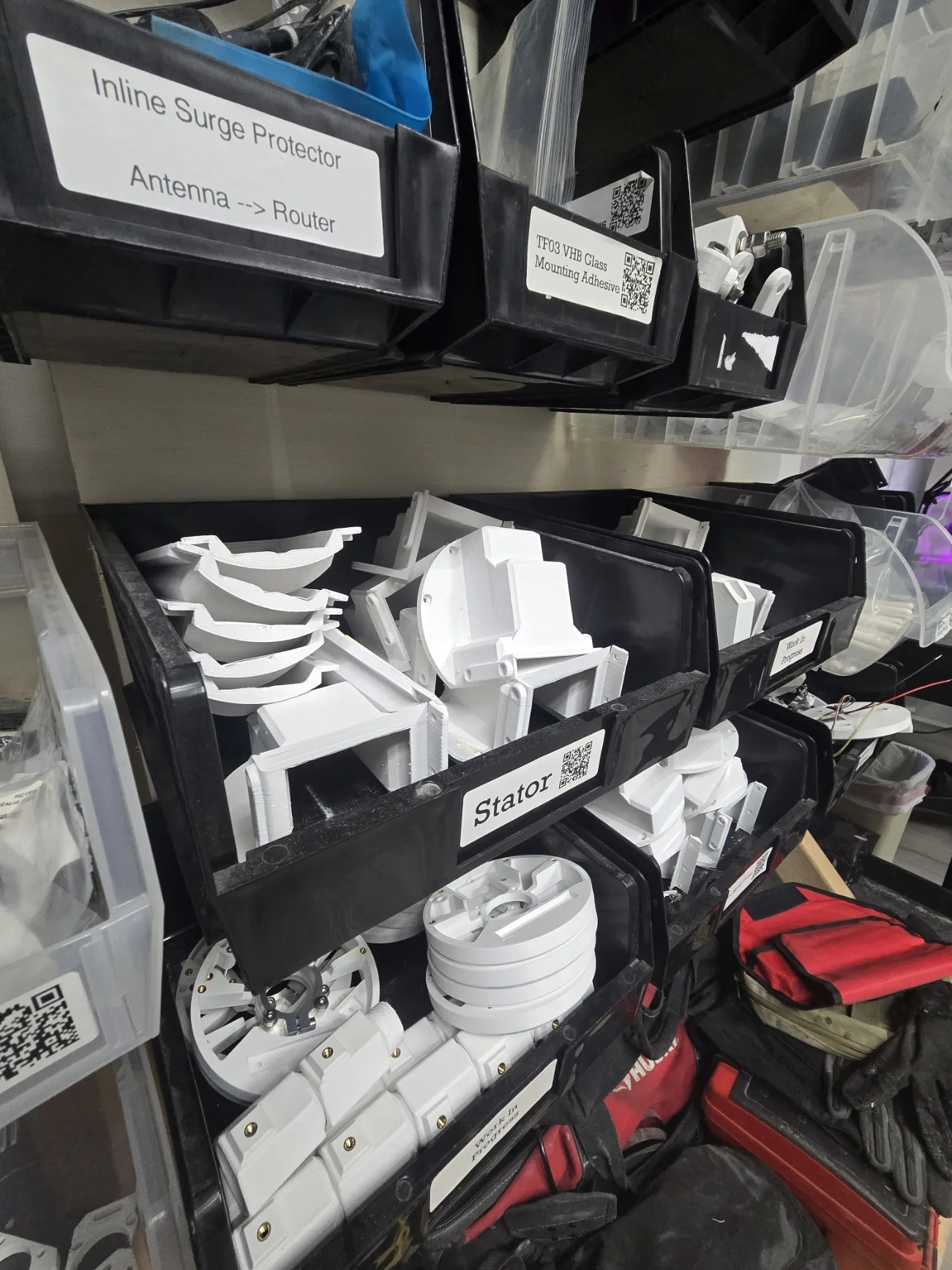
Building this way keeps the price of each sensor down, and those savings go to our customers.
Designed, fabricated and assembled in Gainesville, Florida, USA.
Proud to keep manufacturing local
We're proud to keep our manufacturing local. Building our hardware in Gainesville keeps us close to every unit we ship, and we know every part, every design decision and every assembly step.
Why local manufacturing means better support
Because we design and build the sensors ourselves, the people who answer your support call understand the hardware down to its components. That lets us offer top-tier support for our products and systems:
- Direct expertise. You reach the team that designed and built your sensor, not a reseller reading from a script.
- Fast fixes. We make parts in-house, so we can produce replacements and improvements quickly instead of waiting on an overseas supplier.
- Continuous improvement. What we learn from your site feeds straight into the next version of our designs.
Built for your site, backed by our team
Our LiDAR sensor is built for real outdoor work and priced so you can cover your whole site. It's made in the USA and supported by the people who built it. If you're considering automated stockpile or bin monitoring, get in touch and we'll talk through what your site needs.
Comments
No comments yet. Questions and field experience are welcome.
Leave a comment