STACguard for Soil Reclamation
Affordable emissions monitoring for soil reclamation units
Soil reclamation units, better known as dirt burners, usually need just one stack monitor. STACguard handles the data acquisition, alarms and reports for that monitor without the price of a system built for a power plant.
The challenge
A simple requirement with a big-system price tag
A soil reclamation unit heats petroleum-contaminated soil, typically in a rotary drum, and sends the exhaust through its air pollution controls. The monitoring requirement that comes with it is usually modest. The software to meet it often is not.
One monitor to record
These facilities typically need a single continuous monitor on the stack, with its data recorded, averaged and reported the way the permit describes.
Systems priced for bigger plants
Many data acquisition systems on the market are designed for multi-stack, multi-analyzer facilities. For a one-monitor site, they can be prohibitively costly to buy, license and maintain.
Compliance still has to be right
A smaller requirement is not a looser one. Records, averages and calibration checks still need to hold up when the state agency asks for them.
Right-sized
STACguard, tuned down for simple Part 60 applications
STACguard is a relatively inexpensive option for soil reclamation units. It is the same web-based data acquisition system used on cement kilns and fertilizer plants, configured down to what a single-monitor 40 CFR Part 60 application actually needs, so you are not paying for capability you will never use.
It connects to your monitor through a digital or analog signal, logs the data continuously, applies the averaging periods and limits in your permit, and produces the records and reports your regulator expects. If your requirements grow later, more parameters can be added to the same system instead of replacing it.
Get a quote for your unitCapabilities
Everything a one-monitor site needs
The core of STACguard, without the extras.
Continuous data logging
Every reading from your stack monitor is recorded and time-stamped, so there are no gaps to rebuild by hand.
Permit-based averaging
Averaging periods and limits are set to match your permit, and can be changed through the web interface without programming.
Calibration checks
Daily calibration checks can be scheduled and tracked, with an alarm if a check fails.
Alarms and email notifications
Get warned when readings approach a limit or the monitor has a problem, so the crew can respond before it becomes an exceedance.
Reports on demand
Build reports from saved configurations and export data to Excel when the agency or an auditor asks for it.
Web access
Check the unit from a PC, phone or tablet, on site or off, with no software to install.
Regulations
Built around your Part 60 permit
STACguard is configured to the monitoring and recordkeeping requirements in your permit.
| Typical requirement | How STACguard helps |
|---|---|
| Continuous monitoring and data recording | Continuous, time-stamped logging of your stack monitor |
| Averaging over the periods in your permit | Configured averaging periods and rolling averages, checked against your limits |
| Daily calibration drift checks | Scheduled calibration checks with alarms on failure |
| Excess emissions and monitor downtime records | Status codes flag questionable data, and reports summarize it |
| Recordkeeping for inspections | Organized records and reports ready when the agency asks |
Specific requirements depend on your permit and your state agency. We configure STACguard to match them.
In service
Installed at Clean Earth in Moore Haven, Florida
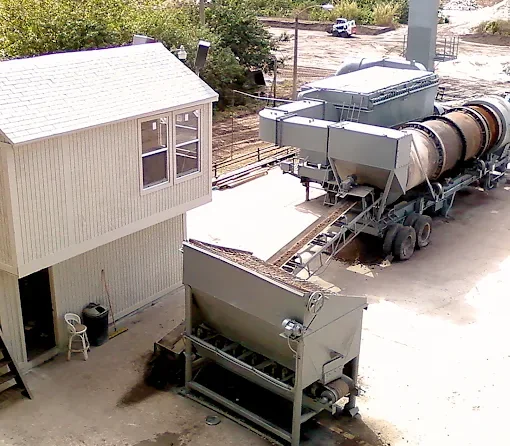
The soil reclamation unit pictured at the top of this page is at the Clean Earth facility in Moore Haven, Florida, where STACguard is an existing installation handling the unit's stack monitoring data. It is a working example of STACguard configured down to a simple, single-monitor application.
Ask about a similar setupDeployment
Getting STACguard running on your unit
A short path from permit to live data.
Review the permit
We go through your permit's monitoring, averaging and reporting requirements and define exactly what STACguard needs to do, and nothing more.
Connect the monitor
STACguard is connected to your stack monitor via a digital or analog signal, and limits, alarms, recipients and reports are configured.
Run, respond, report
Your team watches live data from any browser, responds to alarms and pulls reports when they are due, with settings updated through the interface if the permit changes.
Related STACguard solutions
Soil reclamation unit monitoring FAQ
It is a plant that treats petroleum-contaminated soil with heat, usually in a rotary drum, to drive off the hydrocarbons. The exhaust passes through the unit's air pollution controls, and the stack is monitored under the facility's air permit.
No. STACguard is the data acquisition and reporting system. It connects to the monitor you already have, or the one specified for your unit, and handles the logging, averaging, alarms and reports.
Many data acquisition systems are built for large facilities with many stacks and analyzers. STACguard can be tuned down to what a single-monitor Part 60 application needs, so you pay for a right-sized system instead of a large one.
STACguard is configured around your air permit, which for these units is typically a simple 40 CFR Part 60 monitoring and recordkeeping requirement, along with any conditions from your state agency.
Yes. More parameters can be added to the same STACguard system if your permit or operation changes, without replacing it.
Yes. STACguard is installed at the Clean Earth soil reclamation facility in Moore Haven, Florida.
Contact
Get monitoring for your soil reclamation unit
Tell us about your unit, your stack monitor and your permit, and we will quote a right-sized STACguard setup.
- +1 352-283-8003
- info@altamusinc.com
- 4936 SW 91st Ter M102
Gainesville, FL 32608