By Eddy Bayes · · 3 min read
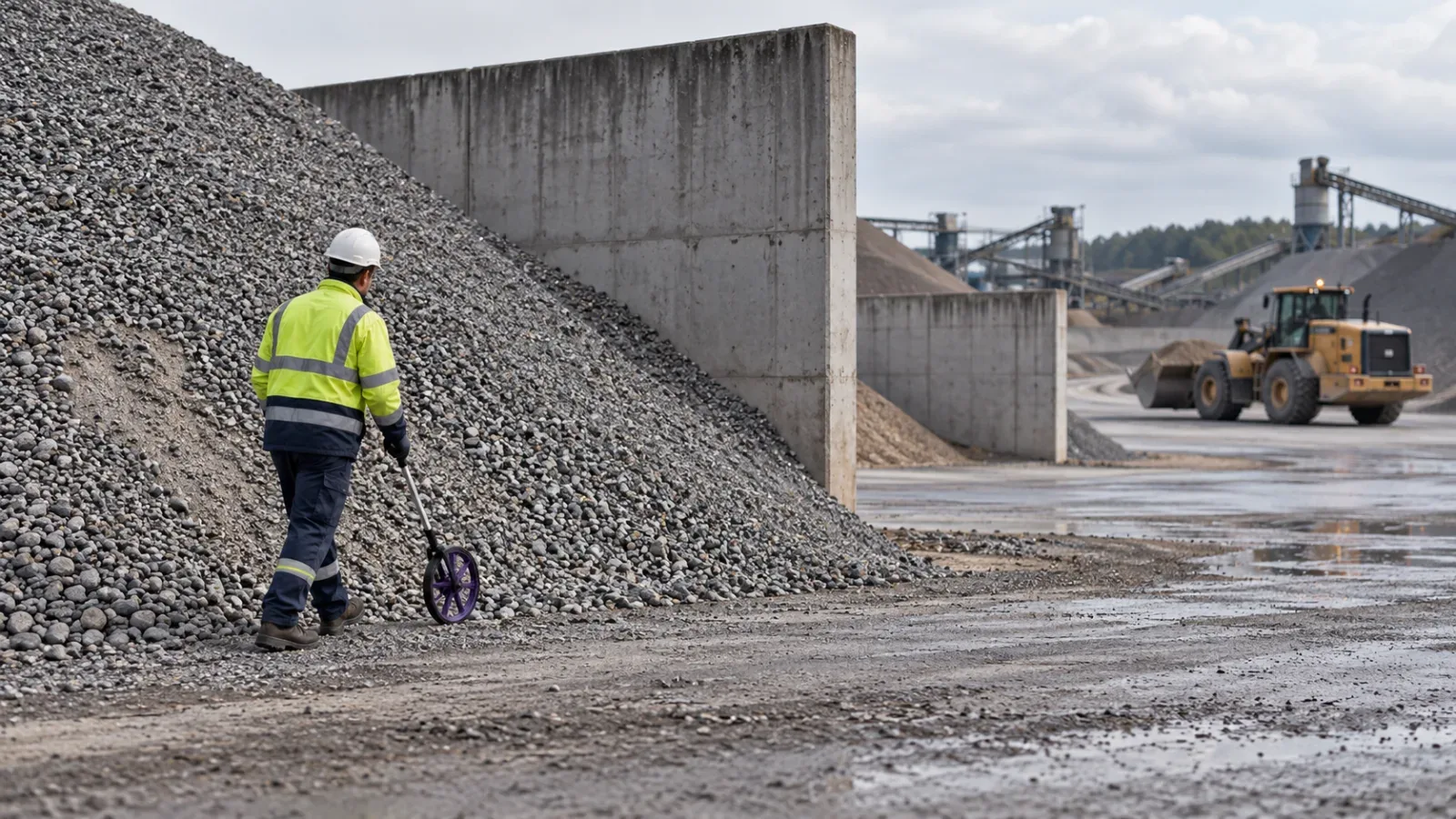
Inventory sounds like a numbers task. At many sites, getting the number still means sending someone out to the material to walk a pile with a measuring wheel, check its height, or look over a bin wall.
A routine count can involve real field work. It’s worth looking at what that work requires and where it takes place.
Where the exposure comes from
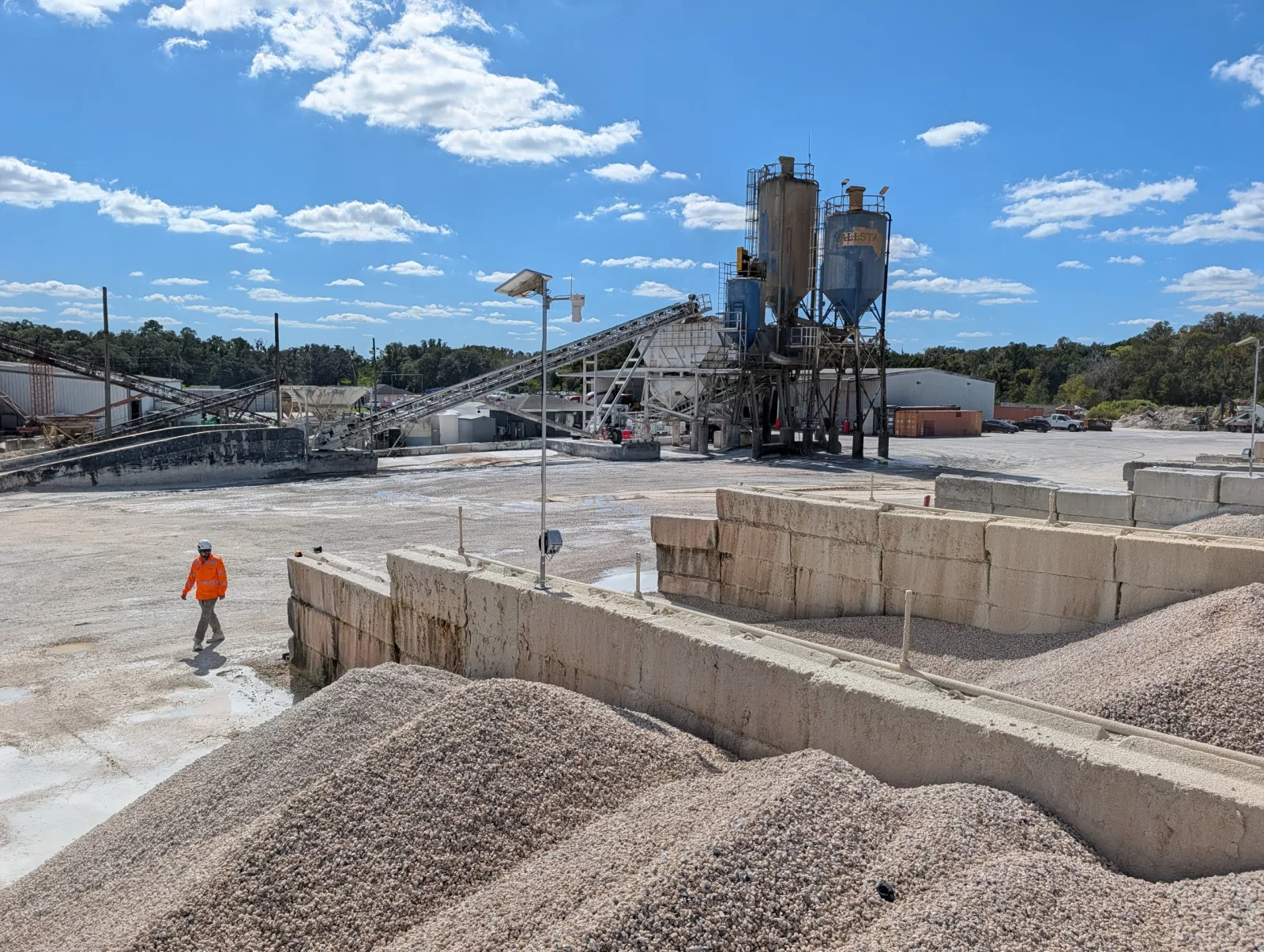
A stockpile can shift, and loaders or trucks may be moving through the same area. In some storage operations, material can bridge over a void or move unexpectedly. MSHA’s stockpile safety alert describes fatal incidents involving unstable stockpiles and dump points. OSHA’s engulfment guidance addresses specific storage operations; hazards and controls vary with the material and site.
Climbing is not the only way a count can bring someone near a hazard. A person may need to walk around a pile, place markers, or enter an area where mobile equipment is operating. The measurement method determines what work the count requires.
Taking the measurement from above
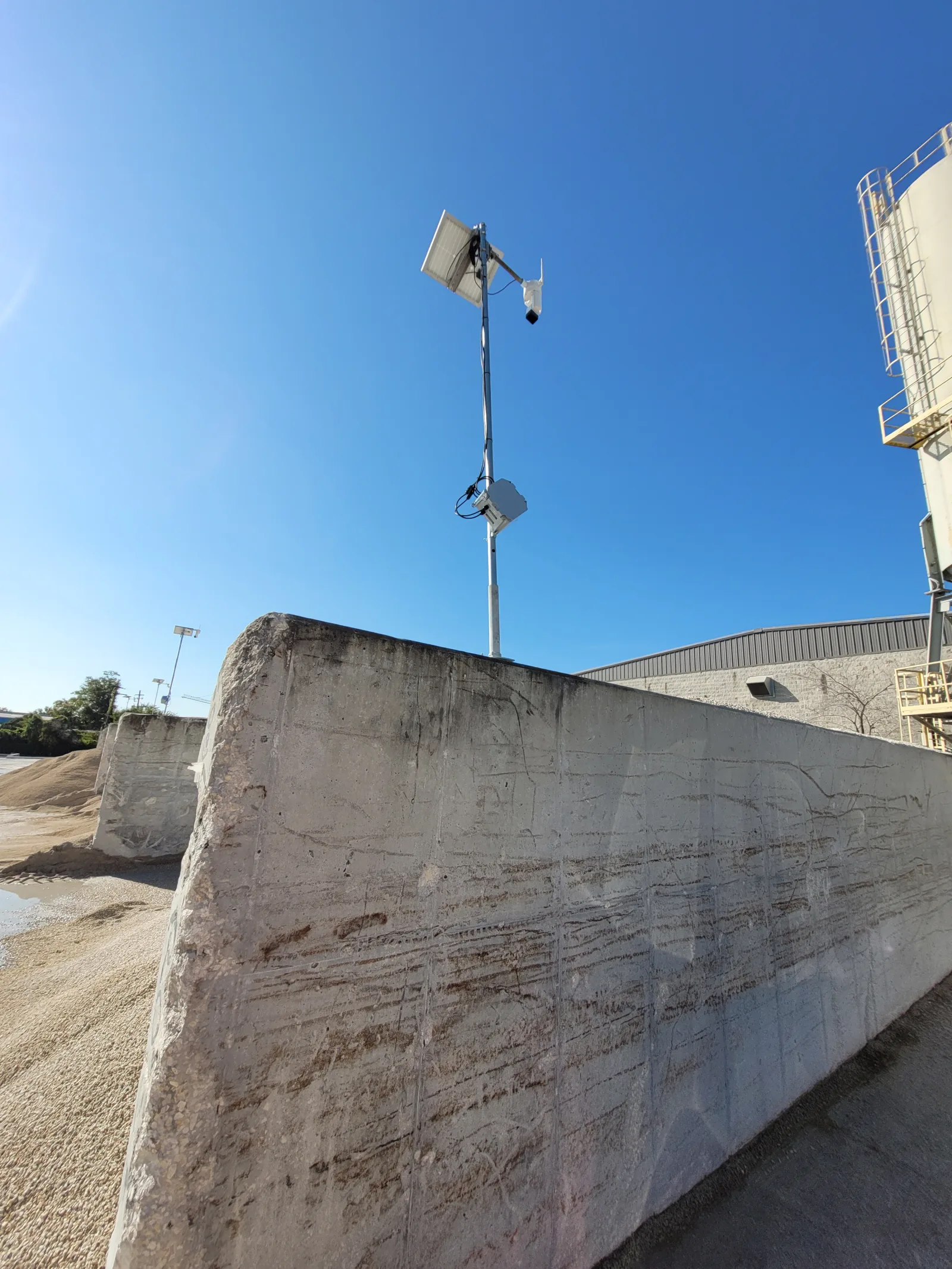
One alternative is to scan the storage area from a fixed position above the material. A LiDAR sensor sends out laser pulses and uses their reflections to build a three-dimensional picture of the surfaces it can see. Software can use that surface to calculate volume and compare scans over time.
Because the sensor stays in place, a scheduled scan does not require someone to walk onto the pile each time. How often to scan depends on how quickly inventory changes and how the information will be used.
Remote measurement has limits. A sensor can only measure surfaces within its line of sight. Walls, the shape of a pile, roof structures or parked equipment can hide parts of the material. A site may need to adjust the sensor position or use more than one viewpoint. And a volume measurement is not automatically a tonnage measurement: converting volume to weight requires a suitable bulk-density value.
What remote measurement does and doesn’t change
Taking a recurring count remotely can remove the field trip made just to measure inventory. It does not remove the need for people to work near stored material for sampling, pile maintenance, cleanup or other tasks. Those jobs still need the safety procedures that apply to the material and site.
Installing and maintaining a fixed sensor can also involve work at height or other site hazards. That work should be planned on its own. The potential benefit is reducing exposure from a measurement routine that would otherwise be repeated over and over.
When loader work changes the face
As a loader removes material from the bottom, or toe, of a stockpile, the face above can become too steep or unsupported. This is called undercutting. If material is left jutting out over the cut, it forms an overhang. The face may slump, slide or collapse.
This may look like a frozen wave about to crest, but one small shift is all it takes to bring it down.
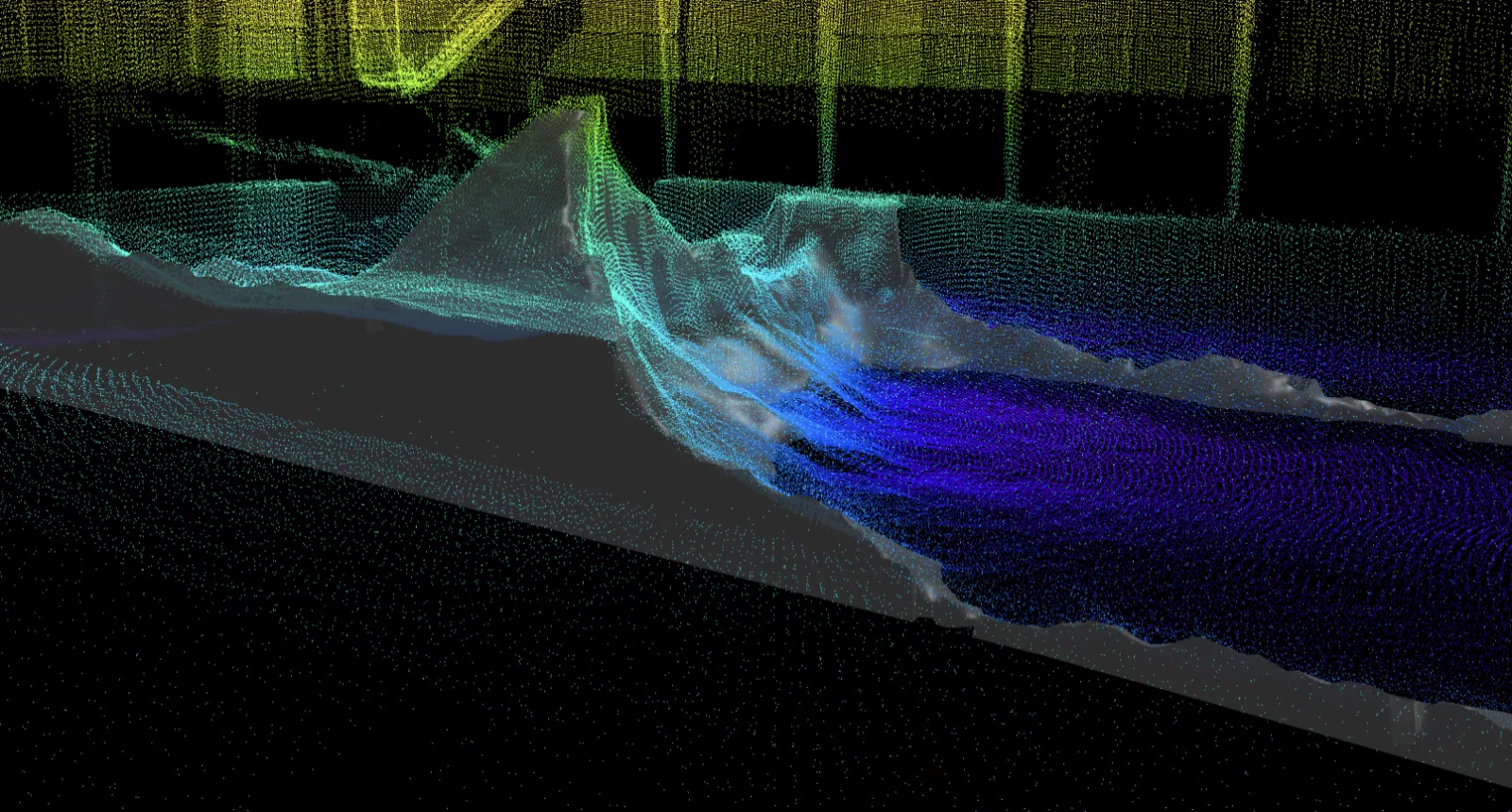
This scan was captured at one of our sites while the stockpile was being heavily worked, leaving a steep, irregular face. In those conditions, sending someone onto or alongside the pile to measure it would have exposed them to serious safety risks. The remote scan let the team monitor the stockpile’s volume without putting anyone near the material.
MSHA’s stockpile safety alert warns of fatal and serious incidents involving work near the toe of oversteepened stockpiles. It advises against loading from a stockpile’s toe while material is being dumped above. The safe approach depends on the material and site conditions, so follow the site’s procedures for inspecting and working around stockpiles.
The goal is to understand the work behind the number. In some settings, a fixed remote scan can reduce how often people need to approach a pile for inventory. Whether it fits depends on the material, the layout and the site’s measurement requirements.
Further reading: How four stockpile measurement methods compare in three-sided bins.
Comments
No comments yet. Questions and field experience are welcome.
Leave a comment